Sciatica is not one thing.
Your routine shouldn't be either.
Two patterns drive most sciatica: a disc irritating a nerve root, or the piriformis compressing the sciatic nerve. The stretches that help one make the other worse. Take the 90-second self-test, then start the matched routine.
Match your pattern, then the routine
Most sciatica falls into one of two patterns. Forward-flexion-tolerant means piriformis is more likely. Forward-flexion-intolerant with leg-dominant pain means disc is more likely. Pick a side; if you genuinely don't know, take the self-test.
Pain runs down your leg below the knee
Sharp, electric, follows a specific path (outer thigh and foot, or back of leg and sole). Worse with sitting and bending forward. Walking sometimes helps. Coughing makes it shoot.
- · McKenzie extension protocol
- · Centralisation principle as the dial
- · Prone cobra is the centrepiece
Deep buttock pain, worse on hard chairs
Centred deep in the buttock. May refer down the leg, but the leg pain is vague, not knife-like. Specifically aggravated by sitting on hard surfaces or driving long distances. Common in runners and desk workers.
- · Figure-4 and supine piriformis stretches
- · Forward-flexion-tolerant
- · Add nerve glides for adherence
Start with 4 minutes
If you're in pain now, the 4-minute acute flare routine is the safest entry: gentle decompression, a nerve glide (pulse, not hold), and a single piriformis stretch at half the usual hold. No provoking positions.
Piriformis-bias routine
Every stretch on this site, with the pattern it suits
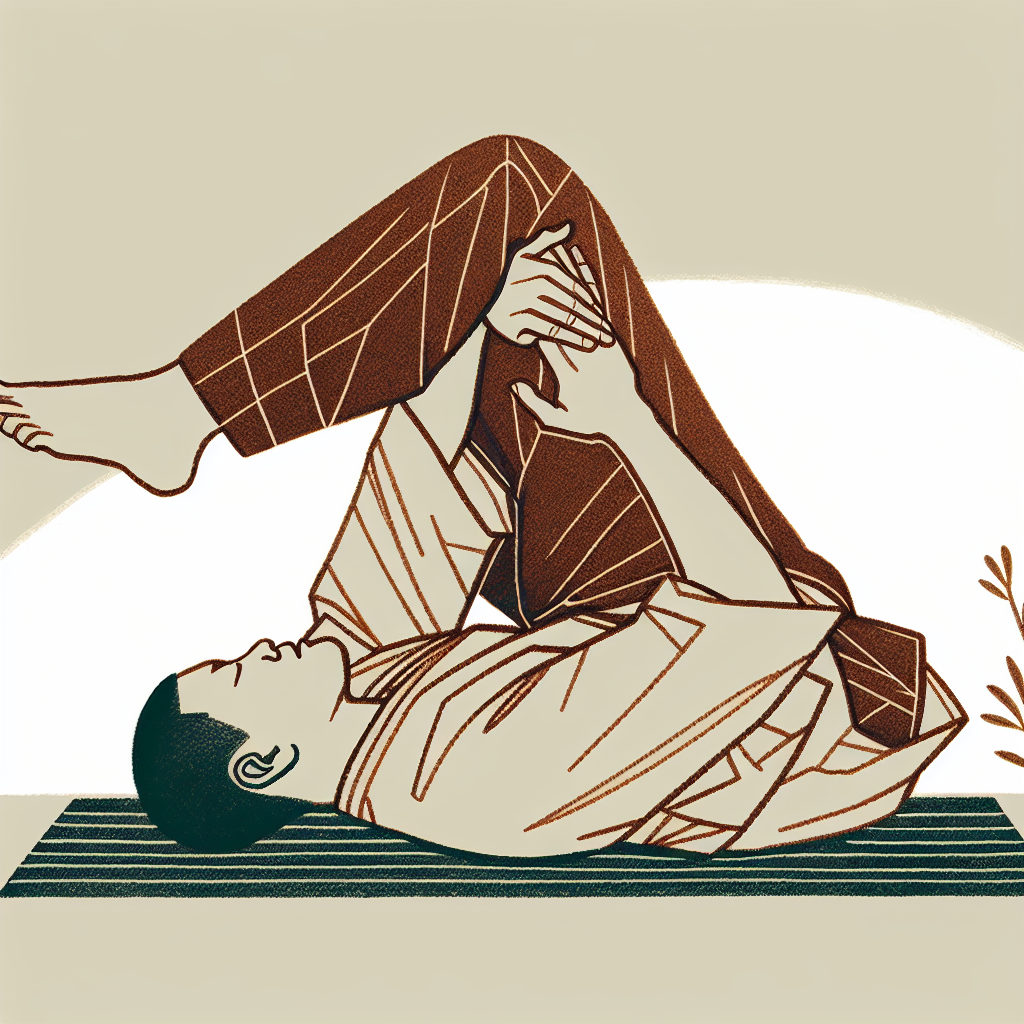
Supine Piriformis Stretch
Piriformis, Deep external rotators
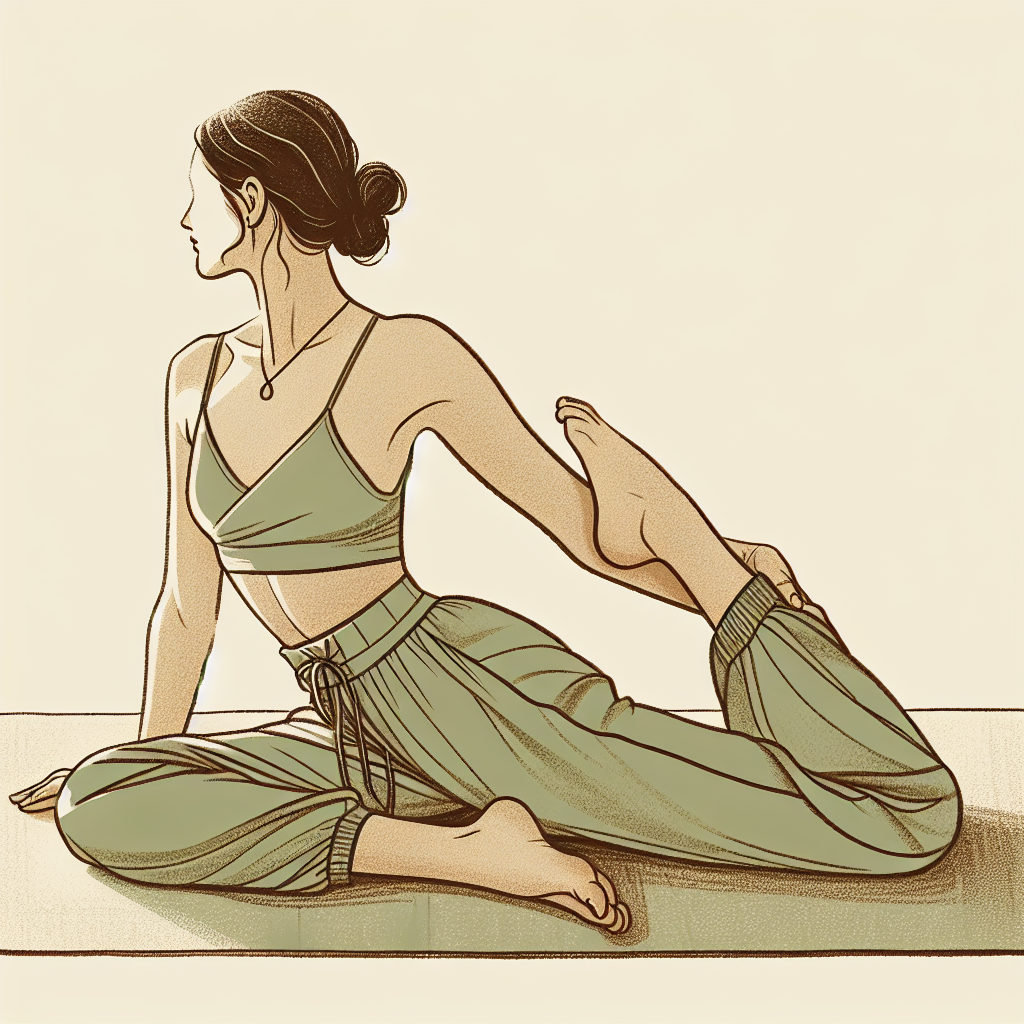
Seated Figure-4 Stretch
Piriformis, Glute max
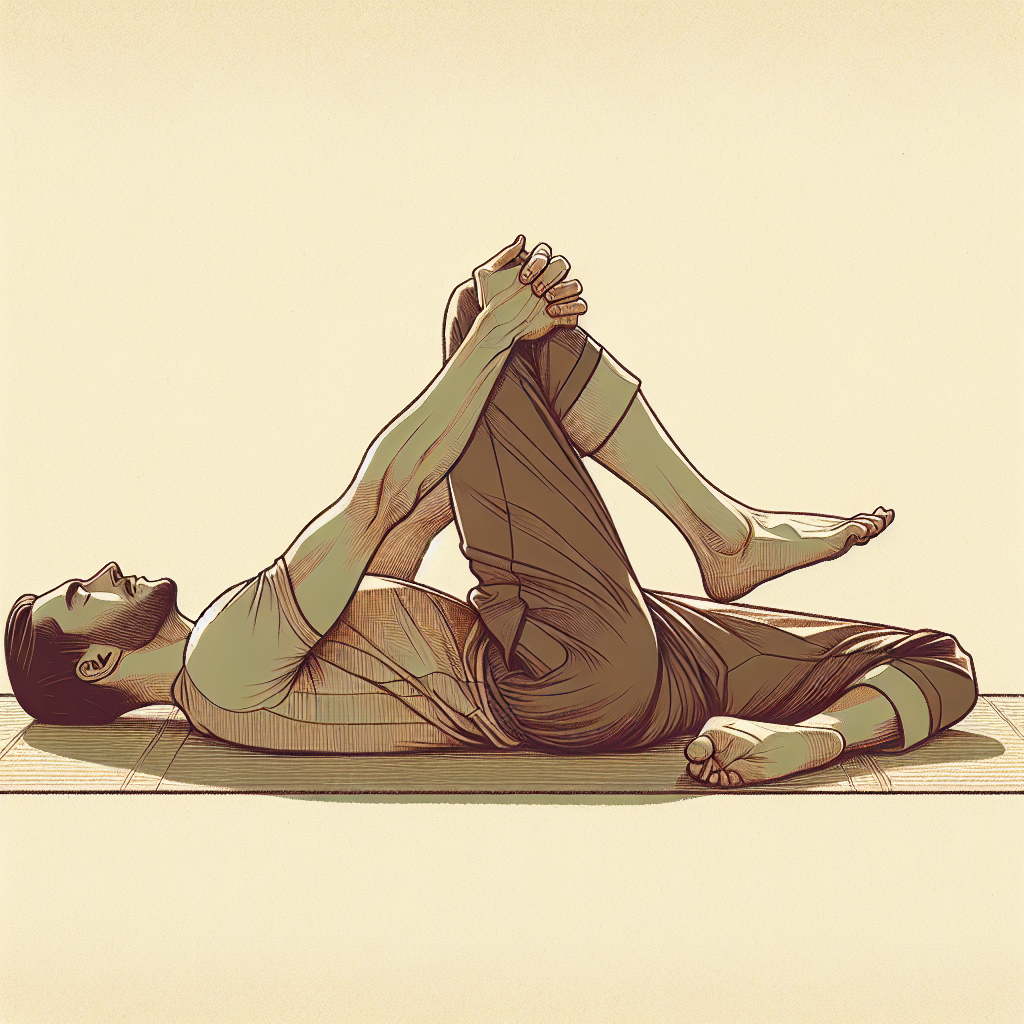
Knee-to-Opposite-Shoulder Stretch
Piriformis, Glute med
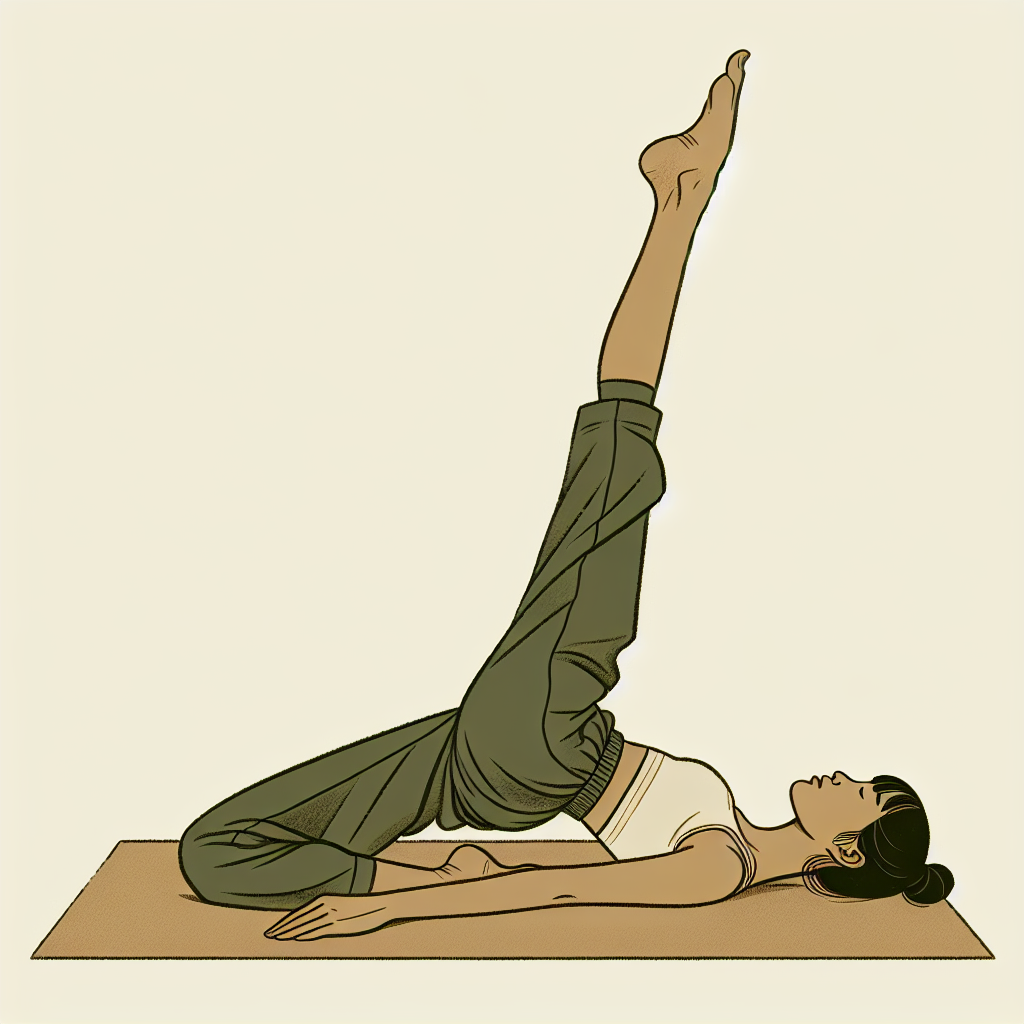
Hamstring Nerve Glide (Slumped)
Sciatic nerve, Hamstrings
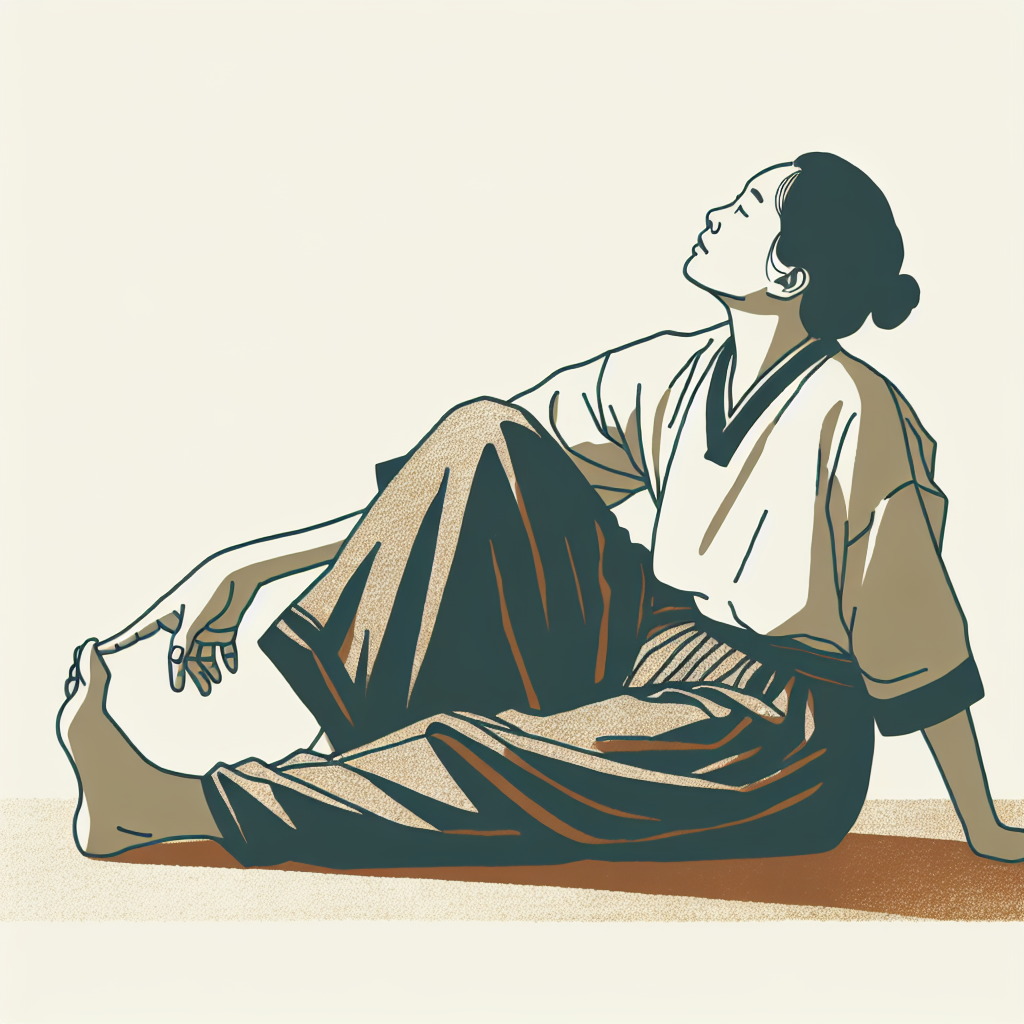
Sciatic Nerve Floss
Sciatic nerve, Lumbosacral nerve roots
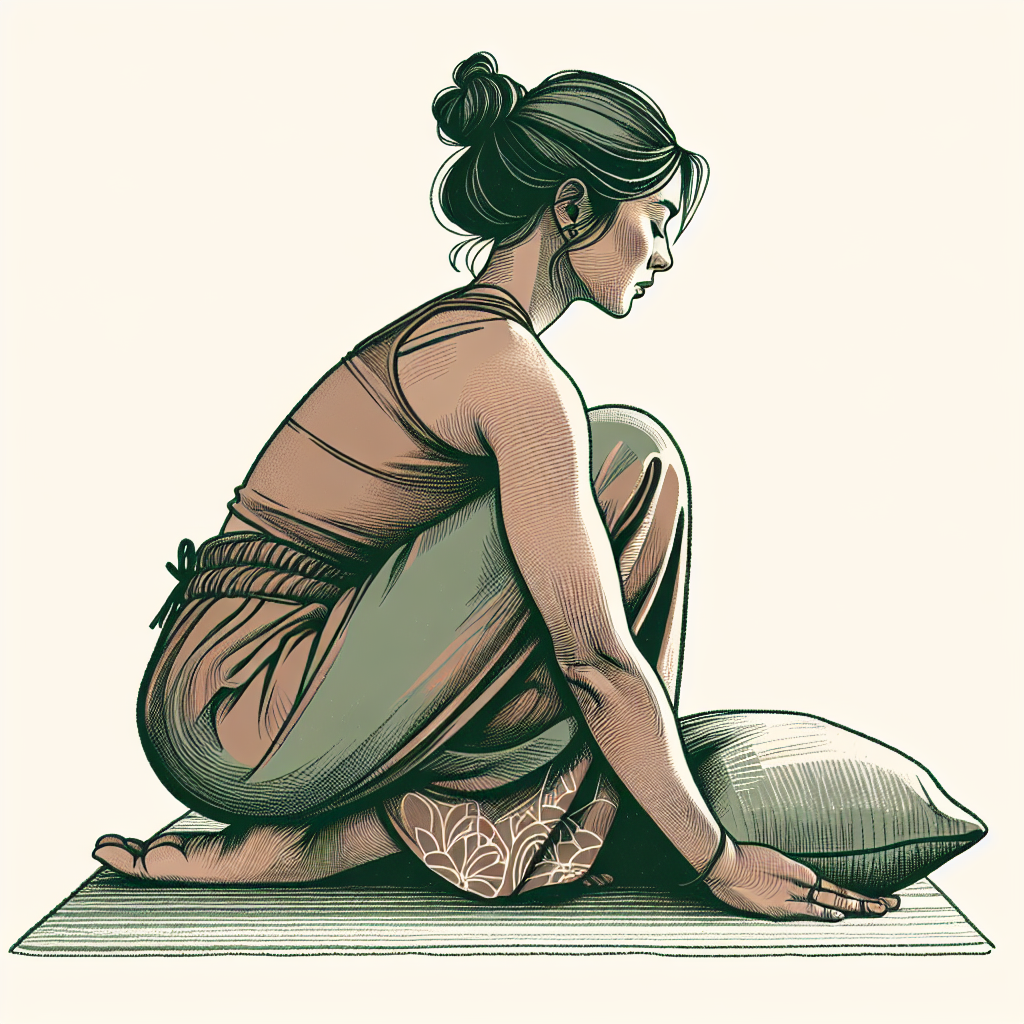
Child's Pose (Modified for Sciatica)
Lumbar paraspinals, Glutes
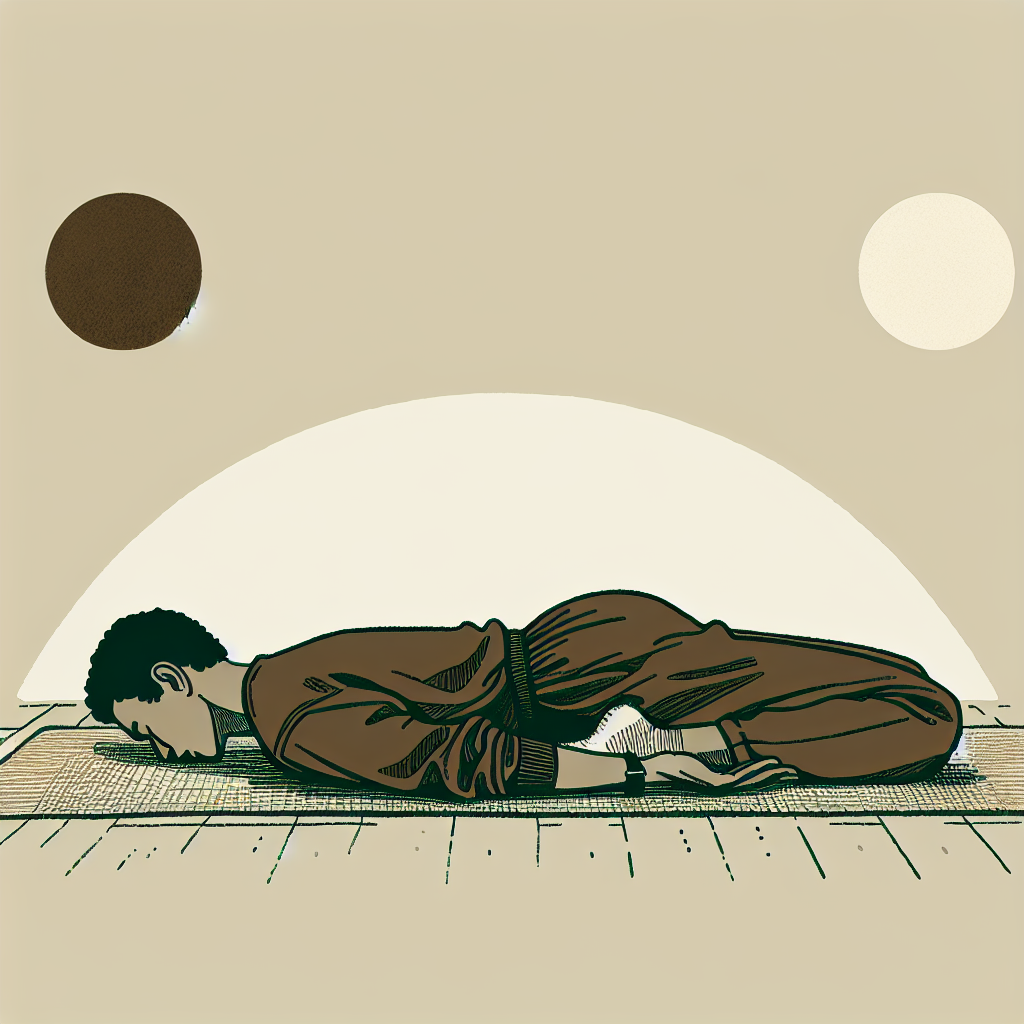
Prone Cobra (McKenzie Extension)
Lumbar erectors, Posterior disc structures (decompressed)
For when sitting hurts and walking helps
The McKenzie extension protocol is the most studied conservative approach for disc-driven sciatica. In Long, Donelson and Fung's 2004 trial, patients whose pain centralised with extension and were matched to extension-bias exercises showed greater improvements in pain and disability than patients given mismatched or generic stretches.
The watchword is centralisation. If pain moves UP toward the spine as you press up, the protocol is working. If pain moves DOWN further into the leg, stop, you need a different direction.